206 Greenfield Drive, Suite B
El Cajon, CA 92020
How Ceramic Coating Protects Your Car From San Diego Sun Damage
San Diego sun doesn't just warm your skin—it attacks your paint. UV rays break down clear coats. Heat bakes contaminants into the surface. Salt air from the coast accelerates oxidation. And if you're parking outside every day, your car is taking the hit whether you see it or not. Most drivers don't notice the damage until the fade is permanent or the oxidation has already eaten through the finish.
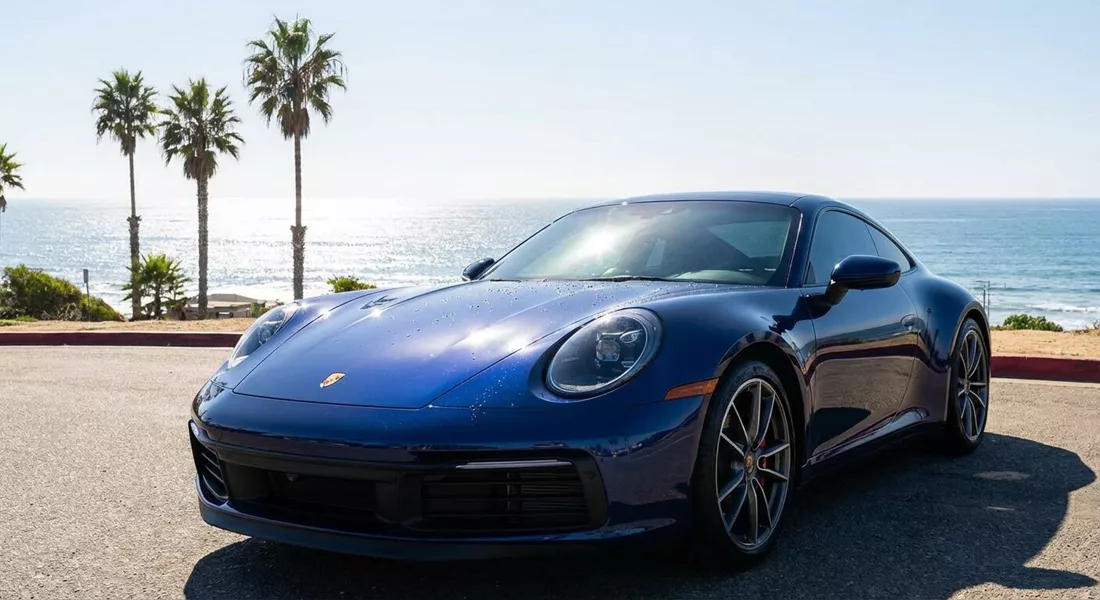
Ceramic coating isn't a magic fix, but it's one of the strongest defenses you can put between your vehicle and the elements. It's not wax. It's not a sealant. It's a chemical bond that creates a hard, transparent shield over your paint—one that actually holds up against what San Diego throws at it. If you're serious about keeping your car looking sharp and holding its value, this is where the conversation starts.
UV Rays Don't Take Days Off
San Diego gets more than 260 sunny days a year. That's a lot of ultraviolet exposure, and your car's paint wasn't designed to handle it indefinitely. UV radiation breaks down the molecular structure of your clear coat, causing it to fade,, chalk, and eventually peel. Dark colors show it faster, but every vehicle is vulnerable. The damage compounds over time, and once it's done, you're looking at a respaint—not a polish.
Ceramic coatings contain UV inhibitors that block a significant portion of those rays before they reach the paint. The coating acts as a sacrificial layer, absorbing the punishment so your factory finish doesn't have to. It won't make your car invincible, but it buys you years of protection that wax or sealant simply can't match. And in a climate like this, years matter.
Heat Builds Up Fast
Park your car in direct sunlight for a few hours and the surface temperature can hit 150 degrees or more. That kind of heat doesn't just make your steering wheel unbearable—it accelerates the breakdown of paint, trim, and rubber seals. Plastic components become brittle. Clear coats soften and become more susceptible to scratches and swirl marks. Even your headlights can yellow faster under sustained heat exposure.
Ceramic coatings provide a thermal barrier that reduces heat absorption. The slick, glass-like surface reflects more light and retains less heat than untreated paint. It's not going to turn your car into a cooler, but it does reduce the thermal stress on your exterior surfaces. Over time, that translates to less cracking, less warping, and a finish that holds up better under pressure.
Contaminants Stick When the Sun Bakes Them In
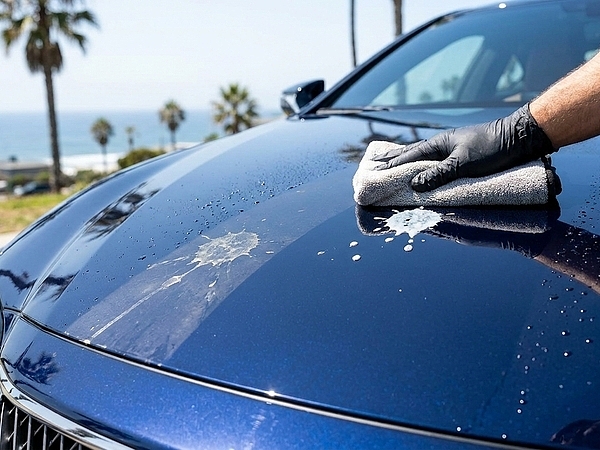
Bird droppings, tree sap, bug splatter, and road grime don't just sit on your paint—they bond to it when the sun heats them up. The longer they stay, the harder they are to remove, and the more damage they cause. Acidic contaminants can etch into your clear coat in a matter of hours if the conditions are right. And in San Diego, the conditions are almost always right.
Ceramic coatings are hydrophobic, meaning water and contaminants bead up and roll off instead of sticking. That makes it much easier to rinse away debris before it has a chance to bake in. The smooth surface also prevents dirt from embedding into the paint, so your car stays cleaner longer and requires less aggressive washing. Less scrubbing means fewer swirl marks and a finish that looks better for longer.
Oxidation Creeps In When You're Not Looking
Oxidation happens when oxygen and moisture penetrate your clear coat and react with the paint underneath. It shows up as a dull, chalky film that makes your car look old and neglected. In coastal areas like San Diego, the salt in the air accelerates the process. You might not notice it at first, but once it starts, it spreads fast.
Ceramic coating seals the paint, creating a barrier that prevents oxygen and moisture from reaching the underlying layers. It's not a permanent solution—nothing is—but it dramatically slows the oxidation process. If you're keeping your car for the long haul or planning to sell it down the road, that protection pays off. A car with intact, glossy paint commands a higher price than one with faded, oxidized panels.
What You Get Beyond Protection
Ceramic coating isn't just about defense—it's about making your life easier and your car look better. The benefits stack up in ways that go beyond just blocking UV rays or repelling water. Here's what you're actually getting when you invest in a quality coating:
- Enhanced gloss that makes your paint look deeper and richer, even on older vehicles
- Easier washing with less scrubbing, since dirt and grime don't bond to the surface
- Fewer trips to the detailer, saving you time and money over the life of the coating
- Protection for trim, wheels, and glass if you opt for a full exterior application
- A finish that holds up to daily driving without losing its shine after a few months
Where Most Car Owners Go Wrong
Thinking ceramic coating is a one-and-done solution is the first mistake. It's durable, but it's not indestructible. You still need to wash your car regularly and avoid automatic car washes with harsh brushes that can mar the surface. Neglecting maintenance means you're not getting the full value of the coating, and you're leaving your paint vulnerable to damage that could have been prevented.
Another common error is assuming any coating will do the job. Not all ceramic coatings are created equal. Some are consumer-grade products that wear off in months. Others are professional-grade formulas that last years when applied correctly. If you're going to invest in protection, make sure you're getting a product and installer that can back up the claims. Cheap coatings applied poorly are worse than no coating at all.
Professional Application Matters
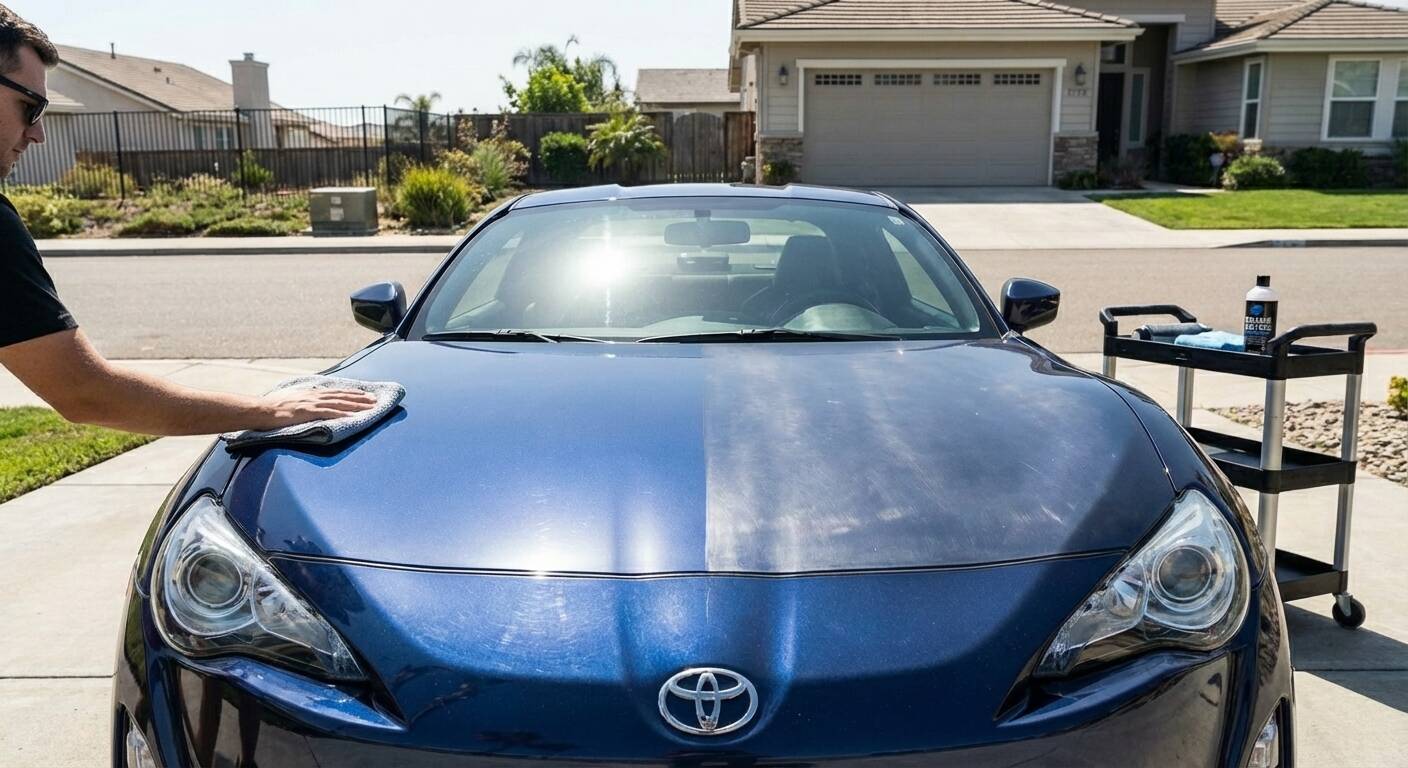
Ceramic coating isn't something you slap on in your driveway and call it good. The surface needs to be meticulously prepped—washed, decontaminated, and polished to remove imperfections. Any scratches, swirls, or contaminants left on the paint will be locked in under the coating. That's why professional application is worth the investment. A trained installer knows how to prep the surface, apply the coating evenly, and cure it properly so it bonds correctly.
DIY kits exist, and some of them work reasonably well if you know what you're doing. But if you've never applied a coating before, you're risking streaks, high spots, and uneven coverage that can ruin the finish. For most car owners, paying a professional is the smarter move. You get a warranty, proper prep work, and a finish that actually performs the way it's supposed to.
How Long It Lasts
Durability depends on the product and how well you maintain it. Entry-level coatings might last one to two years. Mid-tier options can go three to five years. High-end coatings, when applied by a certified installer, can last seven years or more. But those numbers assume regular washing, proper care, and no major abuse. If you're parking under trees, driving through construction zones, or skipping maintenance, expect the coating to wear down faster.
Most coatings also benefit from periodic maintenance treatments—toppers or boosters that refresh the hydrophobic properties and extend the life of the coating. These aren't expensive, and they're easy to apply. Think of them as insurance for your investment. A little upkeep goes a long way toward keeping your car protected and looking sharp.
Cost Versus Value
Ceramic coating isn't cheap. Professional application can run anywhere from a few hundred to over a thousand dollars, depending on the product, the size of your vehicle, and the level of prep work required. That's a significant upfront cost, especially compared to a $20 bottle of wax. But wax lasts weeks, not years. And it doesn't offer the same level of protection against UV damage, oxidation, or contaminants.
When you factor in the cost of regular detailing, paint correction, and potential repainting down the road, ceramic coating starts to look like a smart investment. It preserves your car's appearance, protects your resale value, and saves you time and hassle. For drivers in San Diego who park outside and put miles on their vehicles, the math works out in favor of the coating.
What to Look for in a Coating
Not all ceramic coatings are built the same, and the market is flooded with products that overpromise and underdeliver. Here's what separates the real deal from the hype:
- High silica content, which determines hardness and durability
- UV inhibitors specifically designed to block sun damage
- Hydrophobic properties that last years, not months
- A warranty backed by the manufacturer and installer
- Proven track record with verified reviews and real-world testing
Maintenance Keeps It Working
Ceramic coating reduces maintenance, but it doesn't eliminate it. You still need to wash your car regularly to remove dirt, salt, and contaminants that can degrade the coating over time. Use pH-neutral soaps and microfiber towels to avoid scratching the surface. Skip the automatic car washes with spinning brushes—they'll mar the coating and reduce its effectiveness.
Every few months, consider applying a ceramic booster spray to refresh the hydrophobic properties and add an extra layer of protection. It takes minutes and keeps the coating performing at its best. If you notice water isn't beading like it used to, that's your cue to either apply a booster or schedule a maintenance treatment with your installer.
When to Apply It
The best time to apply ceramic coating is when your car is new or after a full paint correction. If your paint is already faded, scratched, or oxidized, the coating won't fix those issues—it'll just lock them in. That's why prep work is so critical. A professional detailer will polish out imperfections, remove contaminants, and ensure the surface is flawless before applying the coating.
If your car is older and the paint is in rough shape, you might need a more extensive correction before coating. That adds to the cost, but it's worth it if you want the coating to look good and perform well. Skipping the prep to save money is a mistake that shows up immediately and lasts for years.
Protection That Pays Off
San Diego sun is relentless, and your car's paint is fighting a losing battle without help. Ceramic coating gives you a fighting chance—blocking UV rays, reducing heat absorption, repelling contaminants, and slowing oxidation. It's not a miracle product, but it's the closest thing we have to long-term protection that actually works. If you're keeping your car for years or want it to look sharp when you sell, the investment makes sense. Just make sure you're getting a quality product, professional application, and staying on top of maintenance. That's how you keep your car looking like it just rolled off the lot, even after years under the California sun.
Ready to Shield Your Car From the San Diego Sun?
We know how tough the local climate can be on your car’s finish, and we’re here to help you keep it looking its best for years to come. Let’s talk about the right ceramic coating solution for your vehicle and answer any questions you have. Give us a call at 619-750-7070 or get a free quote today—let’s make sure your car stays protected and turns heads wherever you drive.
‹ Back
Recent Posts
-
Can Ceramic Coating in San Diego Help Preserve Resale Value?
September 8, 2026
-
How Often Should You Wash a Ceramic-Coated Car in San Diego?
August 25, 2026
-
Is Ceramic Coating in San Diego Good for Daily Drivers?
August 11, 2026
-
-
Is Your Black Car in San Diego Hard to Keep Clean?
July 14, 2026
NEVER WAX AGAIN,
BOOK WITH US TODAY
Your investment deserves to be preserved with best-in-class ceramic coating California drivers trust for finish protection.


Site by